Eesti keeles

Äripäev Property Management Conference: Buildings That Learn, Not Forget

Äripäeva kinnisvara korrashoiu konverents 2025: hoone dokumentatsioon, masinloetavad andmed ja andmepõhine haldus

The focus of 2025 Äripäev Real Estate Property Management Conference was how building documentation and management data actually work, and why data-driven management cannot function until documentation is organized and made machine-readable.

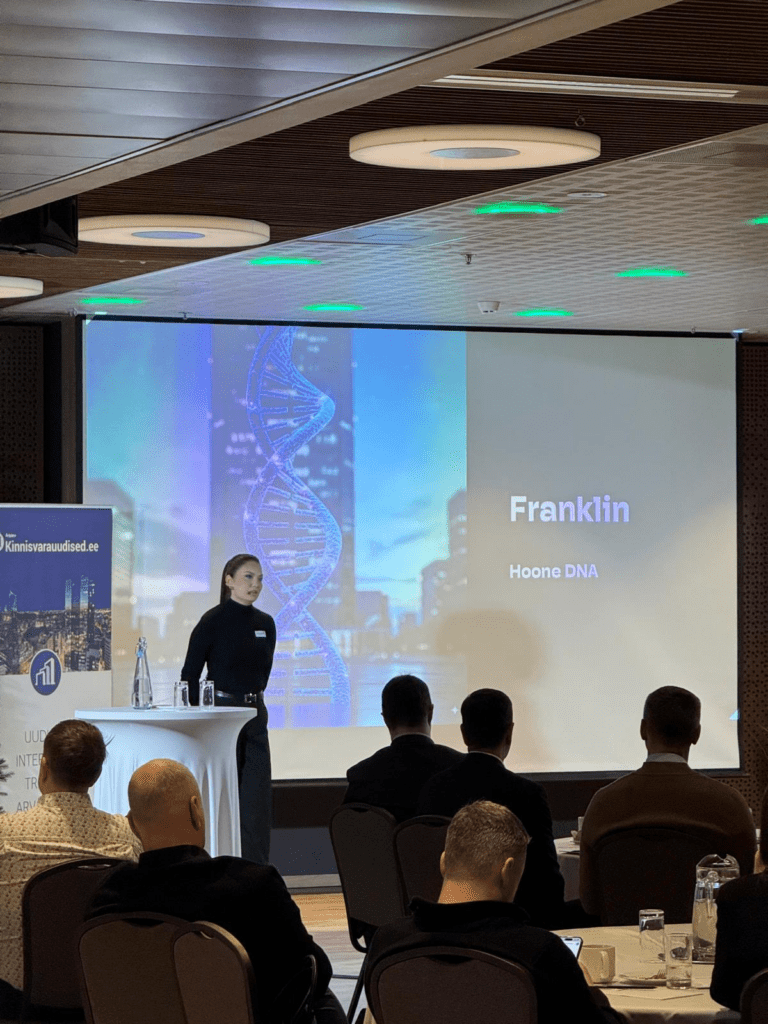
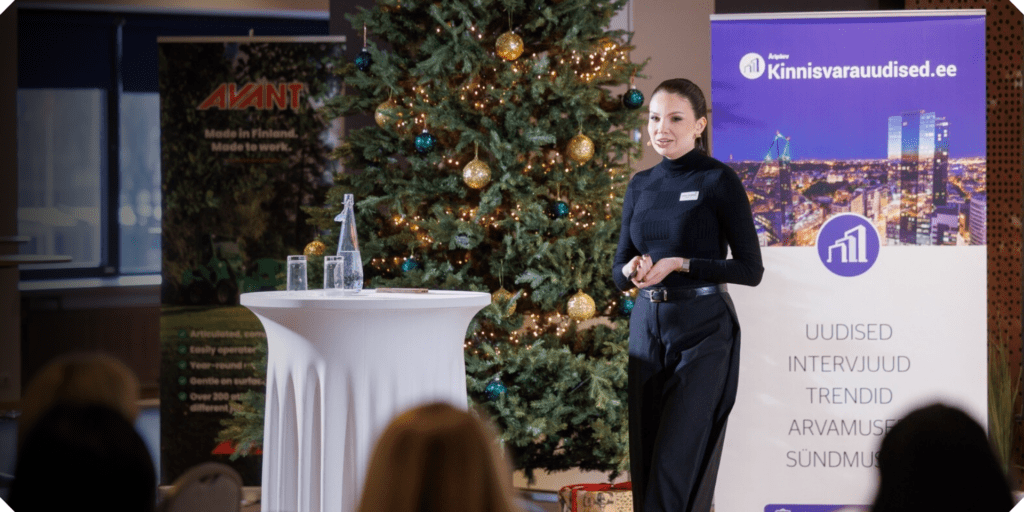
On stage, Maria Freimann, Board Member of WHAT IF, highlighted a central problem:
buildings have no memory.

While design, construction, and management move in the same direction, they each speak their own language.

Files are created, lost, and duplicated, remaining on paper or as PDFs on servers, but they do not converge into a unified memory that is machine-readable and searchable. Consequently, the sector misses out on what is considered fundamental in other fields: the ability to make forecasts, assess risks, and plan decisions based on data, rather than detective work.

Maria Freimann emphasized that an abundance of files does not equate to being data-driven. The prerequisite for a data-driven approach is structure and connections—an ontology that makes the building understandable to both humans and artificial intelligence. As long as this layer is missing, AI remains a mirror for the sector, reflecting confusion rather than providing solutions.

FRANKLIN

Building the Memory Layer

At the conference, WHAT IF also shared insights into their journey of building Franklin. It is a memory layer that transforms fragmented files into machine-readable data, links them together, and creates the building’s “DNA.”

Franklin is capable of identifying document types, cleansing metadata, extracting over 300 technical data points, and binding them into an ontology that reflects the building’s actual structure. This serves as the foundation upon which predictive maintenance and next-generation management automation can be built.

DISCUSSION

Questions from the Conference

The conference discussions centered on key questions:

  • How Franklin’s data layer helps increase the operational efficiency of management and maintenance teams?
  • To what extent it is possible to organize the fragmented documentation of older buildings?
  • How BIM data is integrated with other information systems?
  • Which standards the solution supports?
Clear message resonated from the discussions:

The sector needs a unified and machine-readable data layer to reduce information noise and create a reliable starting point for managing the entire building lifecycle.

CONCLUSION

Files Become a Conversation

Maria Freimann highlighted one key message: when a building’s data is in order, it can be read, monitored, and ultimately predicted. This creates conditions where a building does not simply deteriorate over time but evolves along with its usage. 

Files turn into a conversation that the building itself can answer
and this is no longer a futuristic vision, but the logical next step.

WHAT IF will continue the development of Franklin and its collaboration with pilot partners to lead the Estonian real estate sector into a new era of digital buildings. 

The conference confirmed: the sector is ready.